Skip to content
WhatsApp
Why Visit Serengeti National Park - The Ultimate Safari Destination

Why Visit Serengeti National Park

Discover Africa's Most Iconic Wilderness - Home to the Great Migration & Big Five

Why Should You Visit Serengeti National Park

"The Serengeti is where the ancient rhythm of life continues unchanged, where the great migration unfolds in a spectacle unmatched anywhere on Earth."

The Serengeti National Park is undoubtedly one of Africa's most iconic wilderness areas, a place where nature's drama unfolds on an epic scale. Spanning over 14,750 square kilometers of pristine plains, woodlands, and riverine forests, this UNESCO World Heritage Site offers an unparalleled safari experience that draws visitors from around the globe.

The Great Migration: Nature's Greatest Spectacle

At the heart of the Serengeti's appeal is the Great Migration, an endless cycle of life that sees over 1.5 million wildebeest, 400,000 zebra, and 200,000 gazelle trip across the ecosystem in search of fresh grazing.

Witnessing the river crossings during the migration is perhaps the most dramatic wildlife spectacle on the planet. The desperation of thousands of animals plunging into crocodile-infested waters creates moments of intense drama and raw nature.

The migration follows a fairly predictable annual pattern:

  • December-April: Calving season in the southern Serengeti
  • May-July: Movement toward the Western Corridor
  • August-September: Mara River crossings
  • October-November: Return trip to the south

Exceptional Big Five Viewing Opportunities

The Serengeti offers some of Africa's best opportunities to see the Big Five in their natural habitat. The park's healthy populations of lions, leopards, elephants, buffalo, and rhinos (though black rhinos are rarely seen and critically endangered) provide unforgettable wildlife encounters.

3,000+

Lions estimated in the ecosystem

95%

Success rate for spotting lions

500+

Bird species recorded

Diverse Ecosystems and Landscapes

Contrary to popular belief, the Serengeti isn't just endless plains. The park encompasses several distinct habitats, each with its own character and wildlife:
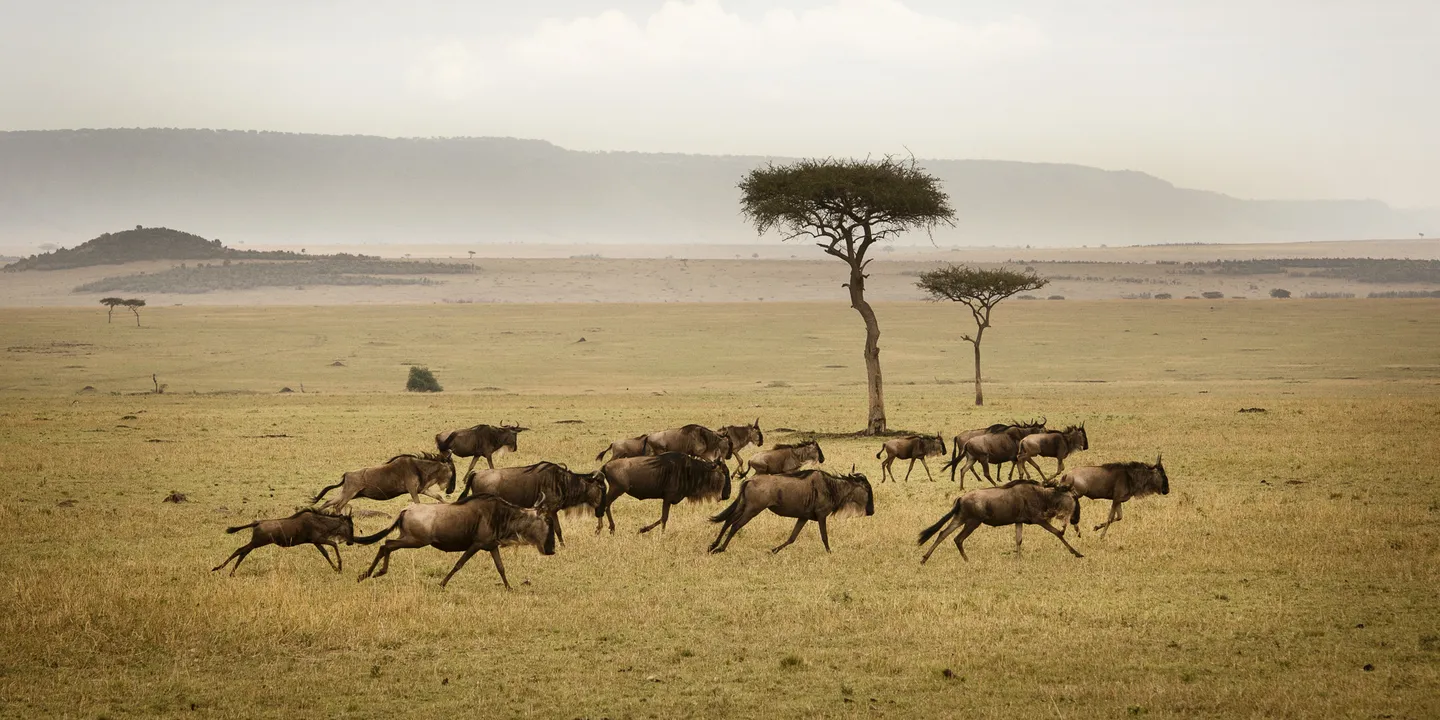
Diverse Serengeti Landscapes

The varied landscapes of Serengeti National Park support an incredible diversity of wildlife

Seronera Valley

Known as the "Big Cat Capital of Africa," this central region with its kopjes (rock formations) and riverine forests offers exceptional predator sightings year-round.

Western Corridor

Home to the Grumeti River, this region hosts dramatic river crossings during the migration and is known for its massive crocodiles and black-and-white colobus monkeys.

Northern Serengeti

The most remote and least visited area, featuring rolling hills and larger trees. This is where the famous Mara River crossings occur between July and October.

Local Insight: The name 'Serengeti' comes from the Maasai word 'siringet,' meaning 'endless plains.' The Maasai people have lived in harmony with this ecosystem for centuries, and their cultural heritage adds another layer of richness to any visit.

Safari Airport Pickup Information

Send us your arrival airport, flight number and landing time. We will confirm the meeting point, transfer vehicle and cost in your quotation.
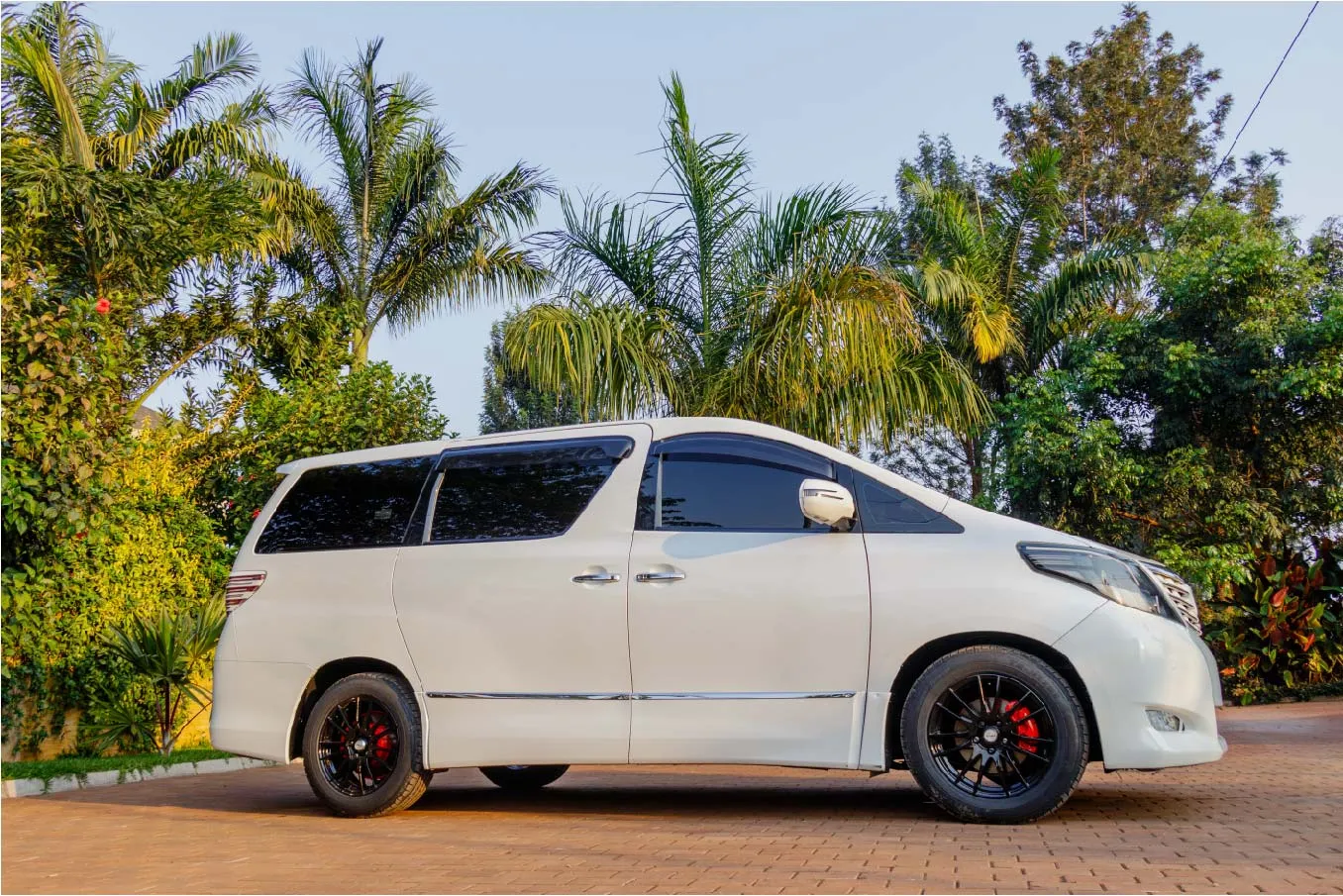
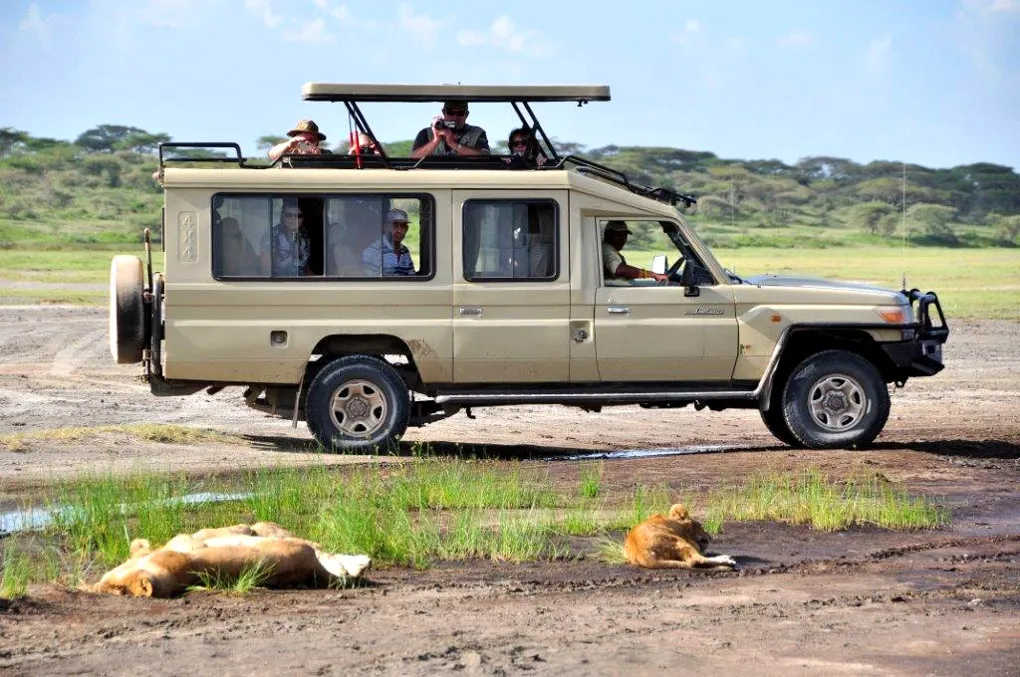
Airport Meet and Greet Service Safari vehicle photographed from the side, with no visible registration plate

In just four days, you'll experience the best of Tanzania's wildlife: from Tarangire's elephant herds to Serengeti's endless plains and Ngorongoro's unique crater ecosystem.

Our comprehensive pickup service includes:

  • Meet & Greet: Our representative will be waiting for you in the arrivals hall with a sign bearing your name.
  • Assisted Luggage Handling: We help with your luggage and guide you to your waiting vehicle.
  • Comfortable Transfers: Direct transfer in a clean, private vehicle to your hotel in Arusha or Moshi.
  • Briefing Session: Your safari guide will often meet you at the hotel for a pre-safari briefing about the upcoming adventure.
  • Flexible Timing: Service is available 24/7 to match your flight schedule, whether you arrive day or night.
  • Return Transfers: At the end of your safari, we'll transfer you back to the airport for your departure flight.

Please ensure you provide us with your detailed flight itinerary well in advance to arrange the perfect pickup.

Best Time to Visit Serengeti

While the Serengeti offers incredible wildlife viewing year-round, different seasons provide unique experiences. Here's what to expect during various times of the year:

Dry Season (June - October)

This is peak safari season with excellent game viewing as animals congregate around water sources.

  • Best for: Wildlife viewing, photography
  • Weather: Sunny, mild temperatures
  • Highlights: River crossings in Northern Serengeti
  • Visibility: Excellent with less vegetation

Green Season (November - May)

The landscape transforms into lush greenery, and this is calving season in the Southern Serengeti.

  • Best for: Birdwatching, landscape photography
  • Weather: Occasional showers, warmer
  • Highlights: Wildebeest calving (Jan-Mar)
  • Crowds: Fewer tourists, better rates

Why Serengeti Stands Out

The Serengeti isn't just another safari destination—it's a conservation success story and a wildlife paradise. Here's what makes it truly special:

14,750 km²

Total protected area of Serengeti National Park

70+

Large mammal species including the Big Five

1981

Year designated as UNESCO World Heritage Site

Community Involvement

Over 30% of tourism revenue supports local Maasai communities and conservation projects

Photography Paradise

Named one of the "Seven Natural Wonders of Africa" for its photographic opportunities

World-Class Birdwatching Destination

With over 500 bird species recorded, the Serengeti is a paradise for bird enthusiasts. From the large and charismatic (like ostriches and kori bustards) to the small and colorful (like lilac-breasted rollers and superb starlings), the avian diversity will impress even casual observers.

Conservation Success Story

By visiting the Serengeti, you directly contribute to one of Africa's great conservation success stories. Tourism revenue funds anti-poaching efforts, community development projects, and scientific research that helps protect this incredible ecosystem for future generations.

Ready to Experience the Serengeti?

Our expert guides know the best locations and times to maximize your wildlife viewing opportunities. Contact us to start planning your unforgettable Serengeti adventure.

Plan Your Safari
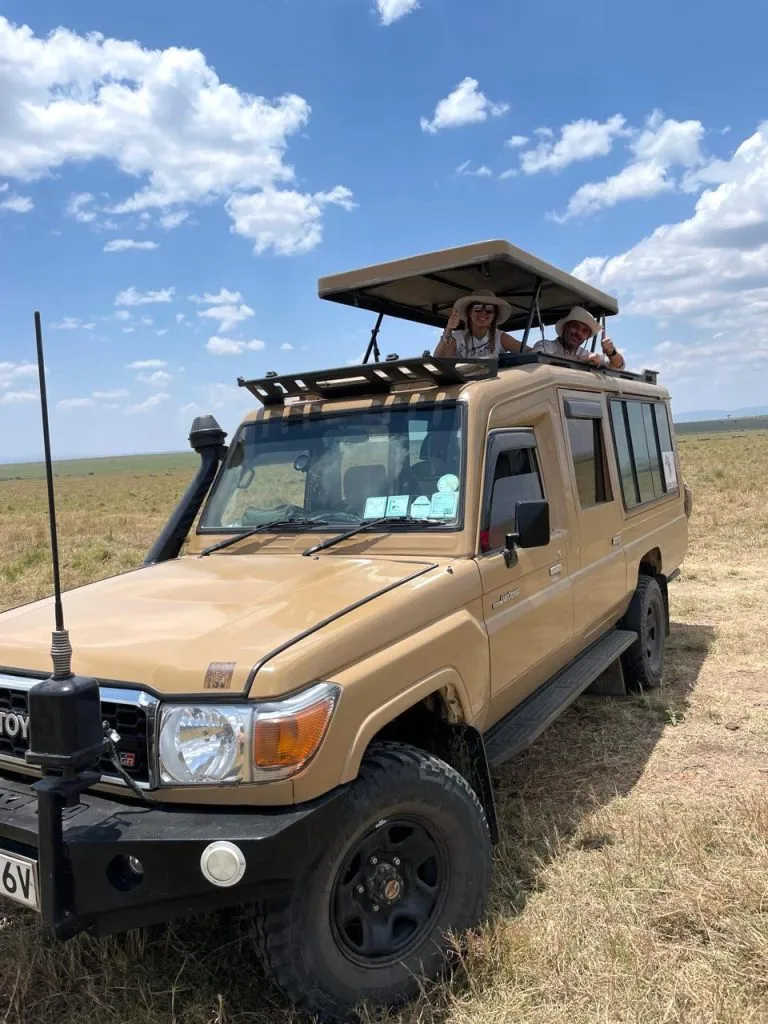
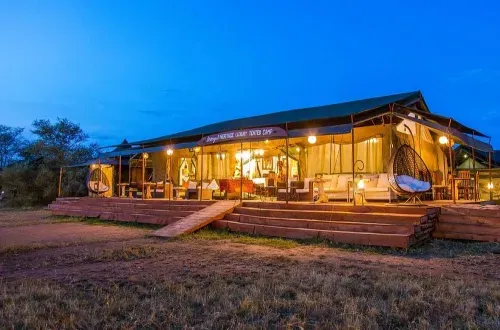
6 Key Factors That Determine Your Northern Tanzania Safari Package Price Per Person

tanzania safari vehicle things to do central serengeti luxury camp

Understanding what goes into your safari pricing helps you make informed decisions and avoid unexpected costs. Each factor below plays a significant role in determining your final package price. The key is finding the right balance between your budget and the experience you desire.

1. Number of Travelers in Your Group

The size of your travel party has perhaps the most immediate impact on per-person pricing. Safari costs include fixed expenses like vehicle rental, guide services, and park fees that don't change whether you're traveling alone or with six people. When these costs are shared among more people, each individual's contribution decreases significantly.

Solo travelers should expect to pay a premium supplement ranging from 30% to 50% above the per-person sharing rate. This reflects the fact that they occupy an entire vehicle and room alone. Couples enjoy the standard per-person sharing rates, which offer excellent value. Groups of four to six travelers achieve the maximum savings, with per-person rates often 15-25% lower than the base sharing price.

For families traveling together, we can often arrange family rooms or connecting tents, further reducing costs while keeping everyone close. Multi-generational family safaris have become increasingly popular, and we specialize in creating itineraries that accommodate all ages comfortably.

1 Traveler

Solo supplement 30-50% extra

2 Travelers

Base price - best for couples

4 Travelers

Save 15-20% each

6 Travelers

Maximum savings - best value

Traveling with friends or family not only reduces your per-person cost but also enhances the experience. Sharing the wonder of a lion hunt or a river crossing with people you love creates memories that last a lifetime. If you're traveling solo, consider joining one of our scheduled group departures to meet like-minded adventurers while enjoying group rates.

2. Level of Accommodation Preferred

Your choice of accommodation represents the largest variable in your safari budget. Tanzania offers an impressive range of options, from basic campsites to ultra-luxurious lodges, each providing a distinctly different experience. Understanding these options helps you allocate your budget appropriately.

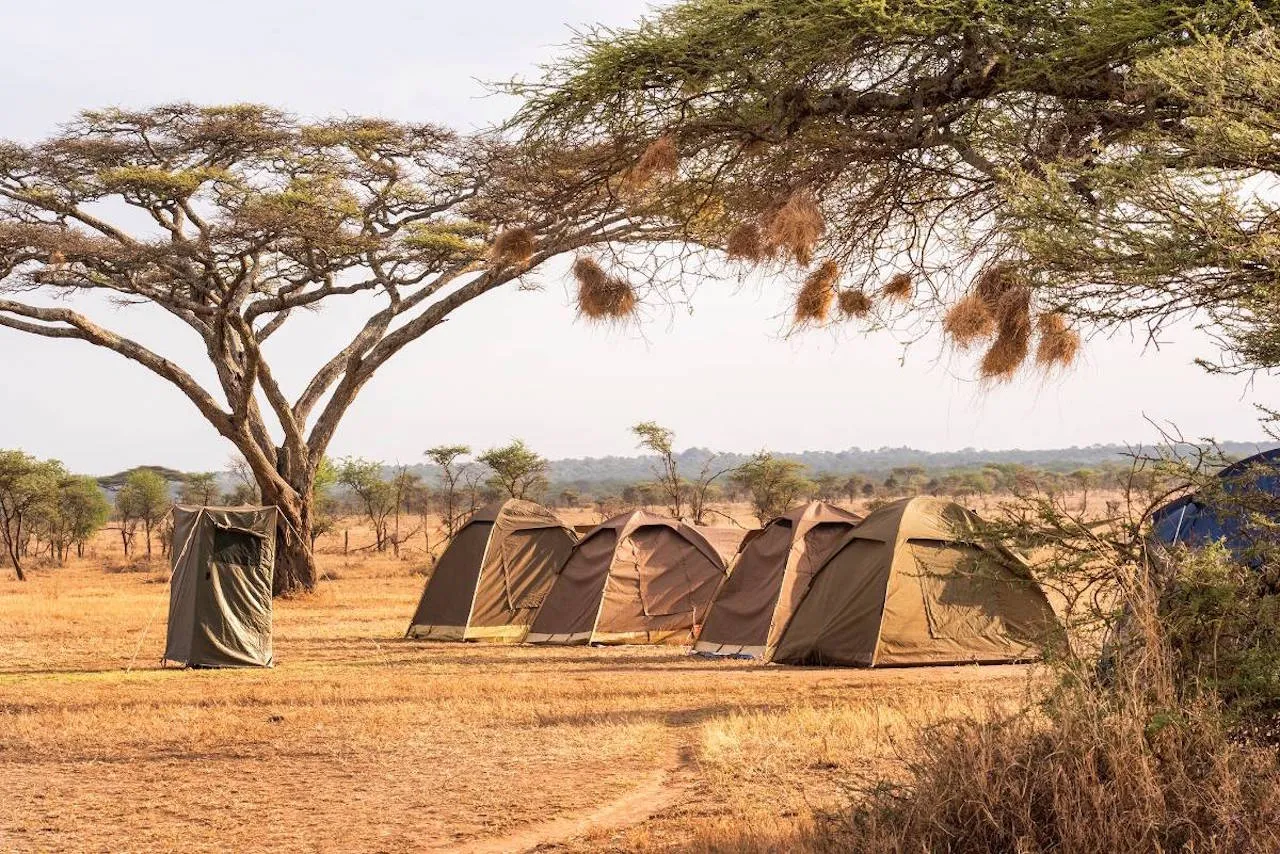
Budget Camping: From USD 40 camping fee plus USD 30 for equipment and meals. This is the most authentic safari experience, bringing you closer to nature. You'll sleep in dome tents with sleeping mats, use shared camping facilities, and enjoy meals prepared by your safari chef over an open fire. Budget camping appeals to adventurous travelers, students, and those who prioritize wildlife time over luxury amenities.

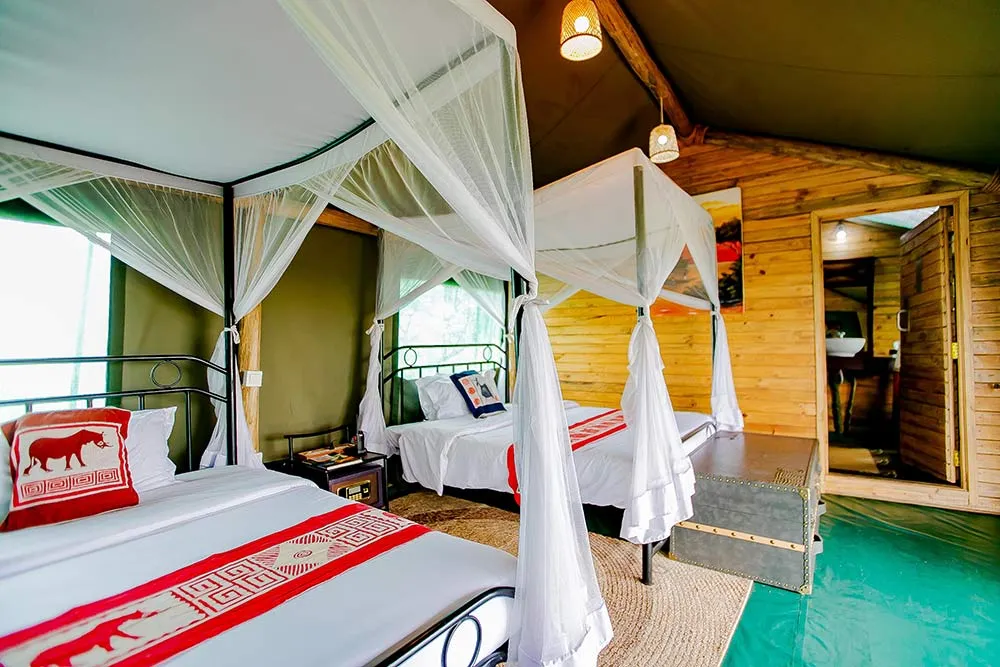
Mid-Range (Most Popular): USD 150-250 per person per night. This category represents the sweet spot for most travelers, offering comfortable lodges and permanent tented camps with en-suite bathrooms, hot showers, and restaurant-quality dining. Mid-range properties are well-located within or near the parks, maximizing your game viewing time. Most include swimming pools, sundowner decks, and attentive service.

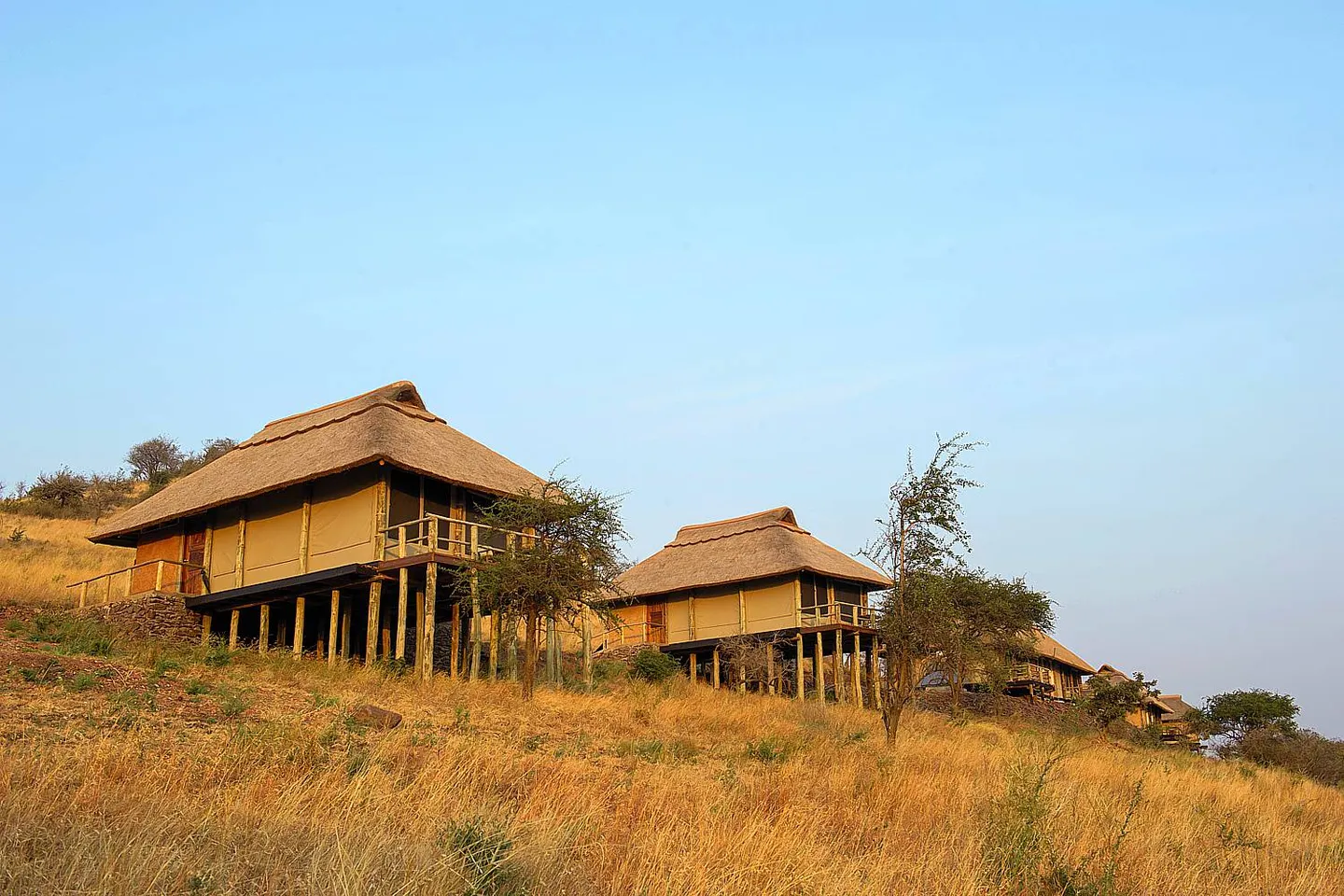
Mid-Luxury: From USD 400 per person per night. These properties elevate the experience with prime locations, more spacious accommodations, and enhanced personal service. You might find yourself at a lodge perched on the edge of the Great Rift Valley or a camp with panoramic views of the Serengeti plains. Mid-luxury properties often include premium drinks, private vehicles, and specialized guiding.

Luxury: From USD 600-1,200 per person per night. The pinnacle of safari experiences, luxury camps and lodges offer unparalleled comfort, gourmet cuisine, and exclusive experiences. Private plunge pools, butler service, private vehicles, and expert guides with decades of experience characterize this tier. Luxury properties are often in private concessions offering night drives and walking safaris not permitted in national parks.

Important Consideration: Accommodation inside national parks carries an additional conservation fee of approximately USD 30 per person per night. This fee directly supports wildlife protection and community development programs. We recommend reviewing your total budget before selecting your accommodation to ensure you're comfortable with the complete package price.
central serengeti mid range camp budget camping set up

3. Number of Days on Safari

The duration of your safari directly affects your total cost, but longer safaris often provide better value through lower daily rates. This is because fixed costs like park fees (which have daily caps) and guide services are spread over more days, and accommodations often offer better rates for extended stays.

A 3-day safari provides a tantalizing taste of the Northern Circuit, typically covering Tarangire and Ngorongoro or a quick visit to the Serengeti. This works well for travelers combining a safari with a Kilimanjaro climb or Zanzibar beach holiday. However, you'll spend considerable time driving between parks and miss the deeper immersion that makes a safari truly transformative.

The 4-day safari hitting Tarangire, Serengeti, and Ngorongoro is our most popular option. It offers a well-paced introduction to all three major parks with sufficient time in each. You'll have a full day in the Serengeti and a complete morning in Ngorongoro, allowing for meaningful wildlife encounters without feeling rushed.

For those seeking comprehensive exploration, 5 to 7-day safaris provide the ideal balance. These itineraries include Lake Manyara, deeper Serengeti exploration, and sometimes visits to less-visited areas like the Serengeti's Western Corridor or Northern woodlands. With more time, your guide can adapt to wildlife movements, spend extra time at exciting sightings, and include activities like walking safaris or cultural visits.

Below are estimated per-person rates for mid-range packages with 2 travelers sharing:

3 Days

Group 4: $650-850

Solo: $950-1,200

4 Days

Group 4: $850-1,100

Solo: $1,250-1,550

5 Days

Group 4: $1,050-1,350

Solo: $1,550-1,900

7 Days

Group 4: $1,450-1,850

Solo: $2,100-2,600

10 Days

Group 4: $2,200-2,700

Solo: $3,200-3,800

Our Recommendation: If your schedule allows, choose a 5 or 6-day safari. The additional days transform your experience from a wildlife viewing trip into a genuine immersion in the rhythms of the bush. You'll have time to appreciate the subtle details, return to favorite locations, and truly disconnect from the outside world.

4. Travel Season

Tanzania's seasons dramatically influence both wildlife viewing conditions and pricing. Understanding the seasonal patterns helps you choose the optimal time for your priorities, whether that's witnessing specific events like river crossings or maximizing your budget.

High Season (June to October): These months represent the dry season, when wildlife congregates around permanent water sources, making game viewing exceptionally productive. The grass is short, visibility is excellent, and animals are easily spotted. This is also when the dramatic Mara River crossings occur in the Northern Serengeti, drawing visitors from around the world. Not surprisingly, demand peaks during these months, and prices rise accordingly by 20-40% above low season rates. Accommodations often book solid, so reservations 6-8 months in advance are essential.

Low Season (March to May): The long rains transform the landscape into a lush green paradise. While afternoon showers are common, mornings often dawn clear and beautiful. This is calving season in the Southern Serengeti, offering incredible opportunities to see newborn wildebeest and the predator activity that follows. Prices drop 30-50%, making this the most budget-friendly time to visit. Some camps close during April, but many remain open with reduced rates. The roads can be challenging, but the experience is uniquely rewarding for those willing to embrace the conditions.

Shoulder Seasons (October, February): These transitional periods offer a wonderful compromise. October follows the high season, with weather remaining dry and wildlife still concentrated. February falls between the short rains and the long rains, offering excellent game viewing as the calving season begins. Prices moderate, crowds thin out, and conditions remain highly favorable.

Short Rains (November to December): The "green season" brings brief afternoon showers that refresh the landscape. Wildlife viewing remains good, and the bird population explodes with migratory species. The scenery is spectacularly beautiful, and photographers love the dramatic skies and lush vegetation. Prices remain in the low-to-shoulder season range.

High Season (June-Oct)

Peak wildlife viewing, excellent weather, highest prices, advance booking essential.

Low Season (Mar-May)

Lush landscapes, lowest prices, afternoon showers, some camps close.

Seasonal Wisdom: First-time visitors often worry about visiting during the "rainy" season. In reality, the short rains typically bring brief afternoon showers that clear quickly, leaving fresh, clear air and spectacular lighting for photography. The green season offers its own magic, including newborn animals and extraordinary bird watching. Don't automatically dismiss low-season travel – the savings are substantial and the experience can be magical.

5. Flights vs. Road Transfers

The choice between flying and driving between parks significantly impacts your budget and your safari experience. Both options have distinct advantages, and the right choice depends on your priorities, time constraints, and travel style.

Road transfers remain the most popular choice for Northern Circuit safaris. The drive from Arusha to the parks takes you through changing landscapes, from bustling towns to rural villages to the vast savannah. Your guide will point out interesting sights, share local knowledge, and often spot wildlife en route, especially as you approach the parks. Road transfers cost approximately USD 250-300 per vehicle, not per person. For groups of 4-6 travelers, this translates to just USD 40-60 per person each way – significantly more economical than flying.

The road trip itself becomes part of your African adventure. You'll stop at viewpoints, visit local markets if you wish, and watch the landscape transform before your eyes. The drive from Arusha to the Serengeti takes 5-7 hours depending on road conditions and wildlife stops – a manageable trip that builds anticipation for the wonders ahead.

Flight options appeal to travelers with limited time or those who prefer to minimize driving. Scheduled flights from Arusha to Serengeti airstrips (Seronera in the Central Serengeti or Kogatende in the North) cost approximately USD 300 per person one-way. The flight itself takes about an hour, offering spectacular aerial views of the Rift Valley and the Serengeti plains. This option allows you to maximize time in the parks, making it ideal for 3-4 day safaris or for travelers continuing to Zanzibar.

Some travelers choose a hybrid approach – driving to Tarangire and Lake Manyara, then flying from the Serengeti back to Arusha at the end of their safari. This combines the immersive road experience with the convenience and aerial perspectives of a flight.

Cost Comparison: For a couple, driving costs approximately USD 250-300 total, while flying costs USD 600 round-trip. For a family of four, driving costs the same USD 250-300 total, while flying would be USD 2,400. The value advantage of road transfers for groups is clear. However, if you have only 3 days and want maximum wildlife time, the flight premium may be worthwhile.

6. Optional Activities During Your Safari

While your safari package includes extensive game drives and park experiences, optional activities can enrich your adventure and create unforgettable memories. These activities are not included in standard packages and require advance booking due to popularity and limited availability.

Hot Air Balloon Safari (USD 550-600 per person): Perhaps the most iconic optional activity, a balloon safari offers perspectives impossible to achieve any other way. You'll launch before dawn, rising silently above the Serengeti plains as the sun paints the landscape in golden hues. From above, you'll spot herds of animals moving across the savannah, their patterns and movements revealed in stunning clarity. The hour-long flight concludes with a champagne breakfast in the bush, complete with a certificate commemorating your adventure.

Maasai Village Visit (USD 50 per person): This cultural experience provides insight into the traditions and daily life of Tanzania's most famous tribe. You'll be welcomed with traditional singing and dancing, tour the village (manyatta), learn about Maasai customs, and have the opportunity to purchase authentic handicrafts directly from community members. The visit supports local communities and creates meaningful cultural exchange.

Walking Safari (USD 30-50 per person): Accompanied by an armed ranger and your guide, a walking safari takes you into the bush on foot, engaging senses that remain dormant in vehicles. You'll learn to track animals, identify plants and their uses, examine insect life, and appreciate the smaller details of the ecosystem. Walking safaris are available in certain areas and provide a completely different perspective on the African wilderness.

Night Game Drive (USD 80-100 per person): Available in private concessions outside national parks, night drives reveal the nocturnal world that remains hidden during standard safari hours. Using spotlights, you'll search for nightjars, genets, civets, springhares, and perhaps even leopard or lion on the hunt. The experience of hearing the bush come alive at night is unforgettable.

We recommend discussing optional activities with your safari consultant during the planning process. Popular activities like balloon safaris have limited capacity and book months in advance, especially during high season. Adding one or two carefully chosen activities can transform a wonderful safari into an extraordinary one.

Quick Price Guide: Northern Tanzania Safari Package Price Per Person (2026)

The table below provides estimated per-person rates for packages with 2 travelers sharing. These comprehensive prices include all park fees, transport in a private 4x4 vehicle, professional guide services, accommodation as specified, and all meals from lunch on Day 1 through breakfast on the final day. Drinking water is provided throughout your safari.

We've organized prices by duration and accommodation style, with separate columns for low and high seasons to help you compare options. Remember that these are starting rates – your exact quote will depend on specific property availability, group size, and any special requests.

Duration Accommodation Style Low Season (Mar-May) High Season (Jun-Oct) Best For
3 Days / 2 Nights Budget Camping $450 - $550 $650 - $750 Budget travelers, short stays, add-on to Kilimanjaro
4 Days / 3 Nights Mid-Range Lodge $750 - $900 $1,050 - $1,250 First-time visitors, couples, most popular choice
5 Days / 4 Nights Mid-Range Lodge $950 - $1,150 $1,350 - $1,600 Comprehensive Northern circuit, deeper Serengeti experience
6 Days / 5 Nights Mid-Luxury $1,450 - $1,750 $2,100 - $2,500 Migration focused, more comfort, prime locations
7 Days / 6 Nights Luxury Lodge $2,500 - $3,200 $3,800 - $4,500 Ultimate safari experience, exclusive properties
8 Days / 7 Nights Mix (Mid+Luxury) $2,200 - $2,800 $3,200 - $3,900 Serengeti + Ngorongoro focus, extended exploration

*All prices are estimates per person sharing. Solo traveler supplements typically add 30-50%. Contact us for exact quotes based on your specific dates, group size, and accommodation preferences. Rates include all taxes and fees unless otherwise noted.

kubukubucamp2 central serengeti safari
Understanding These Prices: The ranges above reflect the variety within each category. For example, a 4-day mid-range safari at $750 in low season would use comfortable but simpler properties, while the $900 rate might include lodges with pools or more prime locations. Your safari consultant will explain the specific options available for your dates.
Package Details

What's Included & Excluded in Northern Tanzania Safari Packages

Understanding exactly what your package covers helps you budget accurately and avoid surprises. Below we detail the standard inclusions and exclusions for all our Northern Tanzania safaris.

Inclusions

Everything covered in your Northern Tanzania safari package

Park & Conservation Fees

All national park entrance fees and Ngorongoro Crater vehicle fee – these represent a significant portion of your safari cost and directly support conservation efforts.

Accommodation

As per itinerary in your chosen accommodation style, from budget camping to luxury lodges. All accommodations include beds with mosquito nets and access to dining facilities.

All Meals on Safari

Breakfast, lunch, and dinner from lunch on Day 1 to breakfast or lunch on final day. Mid-range and luxury packages include restaurant-quality meals; budget camping includes chef-prepared camp meals.

Drinking Water

Unlimited bottled water throughout the safari – we provide refillable bottles to minimize plastic waste while keeping you hydrated in the African sun.

Safari Transport

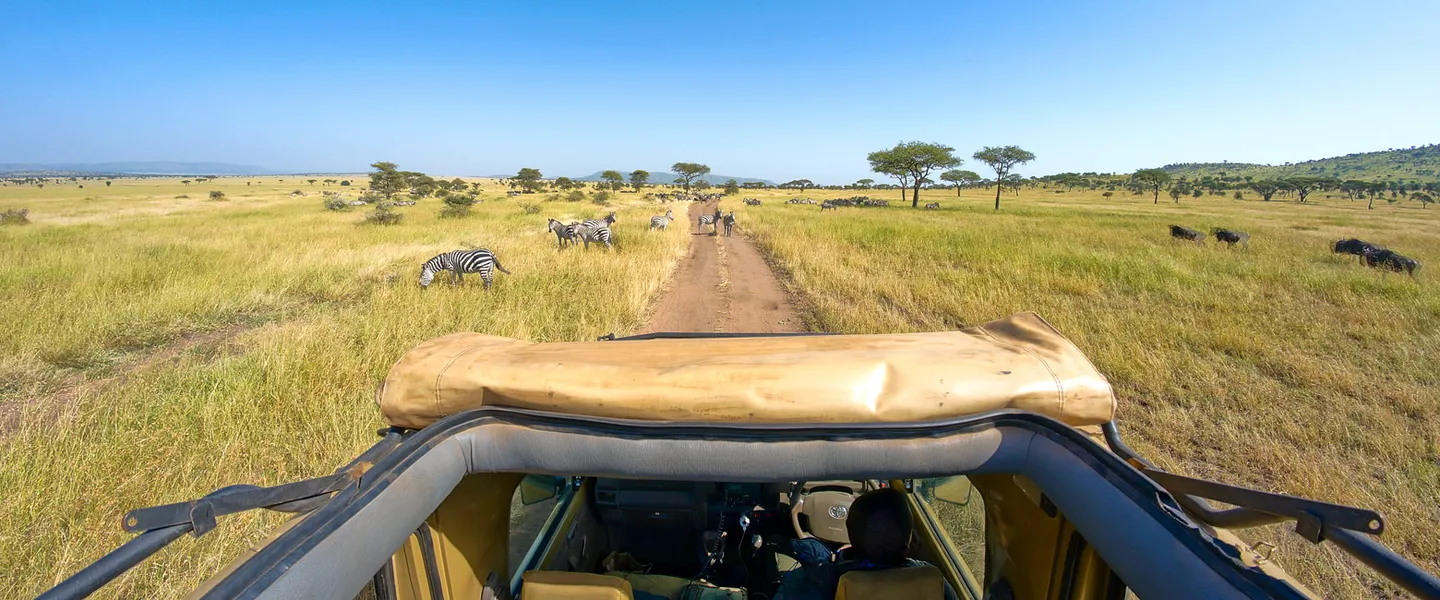
4x4 vehicle with pop-up roof for optimal game viewing, driven by a professional, English-speaking guide with extensive knowledge of wildlife and ecosystems.

All Game Drives

All game drives as mentioned in the itinerary – typically morning and afternoon drives with time back at camp during the heat of midday.

Airport Transfers

Complimentary arrival and departure transfers (Kilimanjaro or Arusha Airport) – our representative meets you with a sign and handles your luggage.

24/7 Support

Emergency contact throughout your safari – our operations team is always available should any issues arise.

Exclusions

Additional costs not covered in standard packages

International Flights

Airfare to and from Tanzania – we can advise on routing and airlines but do not book international flights.

Tanzania Visa

USD 50-100 per person depending on nationality – visas are obtained on arrival or online before travel.

Travel Insurance

Comprehensive coverage is mandatory – we can recommend providers but insurance must be arranged independently.

Tips & Gratuities

For guides, drivers, and lodge staff – tipping is at your discretion and reflects your satisfaction with service received.

Optional Activities

Balloon safaris, Maasai village visits, walking safaris – these enrichments are arranged and paid for locally.

Alcoholic Beverages

Beer, wine, spirits, and soft drinks – mid-range and luxury properties offer bars with charges for drinks.

Personal Expenses

Souvenirs, laundry, phone calls – items of a personal nature are your responsibility.

Internal Flights

If choosing to fly between parks – these are arranged and billed separately from standard road-based packages.

Important Note: For private safari rates, single traveler supplements, or upgrades to specific accommodations, please contact our team for a customized quote. We're happy to adjust any package to match your preferences and budget.

Plan your trip ↗